
Malaysia's ancient trees embody ecological marvels and cultural heritage. These living archives of evolution and indigenous knowledge face urgent threats. Conservation underscores their ecological roles and cultural value, showing preservation safeguards biodiversity and cultural legacy. temple, pipal, grove.
botanical heritage
Ancient Guardians: The Living Heritage of Southeast Asia

Marcus Rodriguez
March 15, 2022
The Living Cathedrals of Southeast Asia
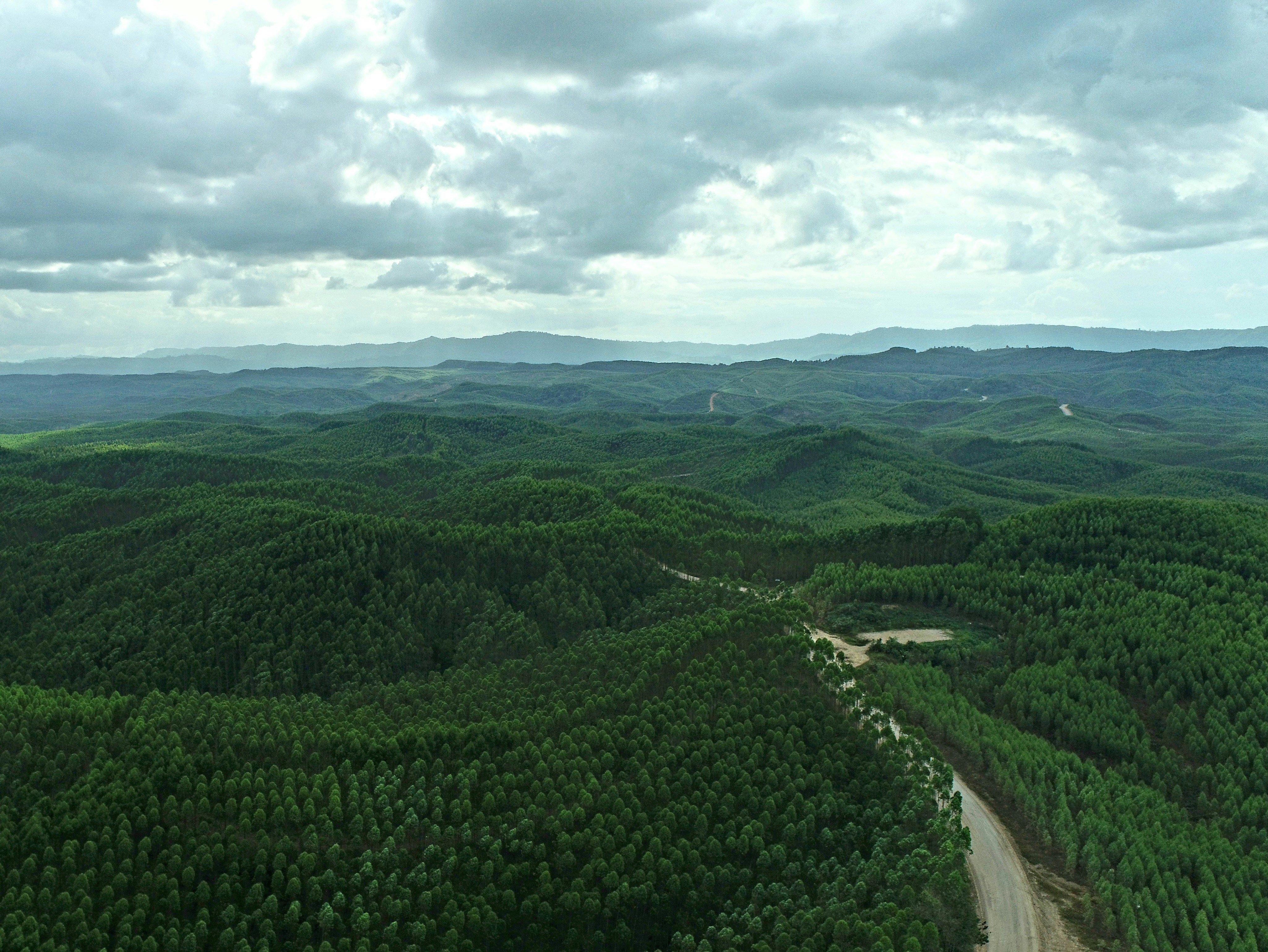
Deep within Malaysia's verdant rainforests stand botanical marvels that defy conventional categorization—ancient trees whose massive trunks and soaring canopies create natural cathedrals of breathtaking biological complexity.
These arboreal giants, some exceeding 80 meters in height with lifespans measured in centuries, represent keystone species that support intricate ecological networks.
Local communities have long recognized these trees as more than biological entities—they are living beings possessing distinct personalities, histories, and spiritual significance that transcend scientific classification.
Cultural Cosmologies and Forest Relationships
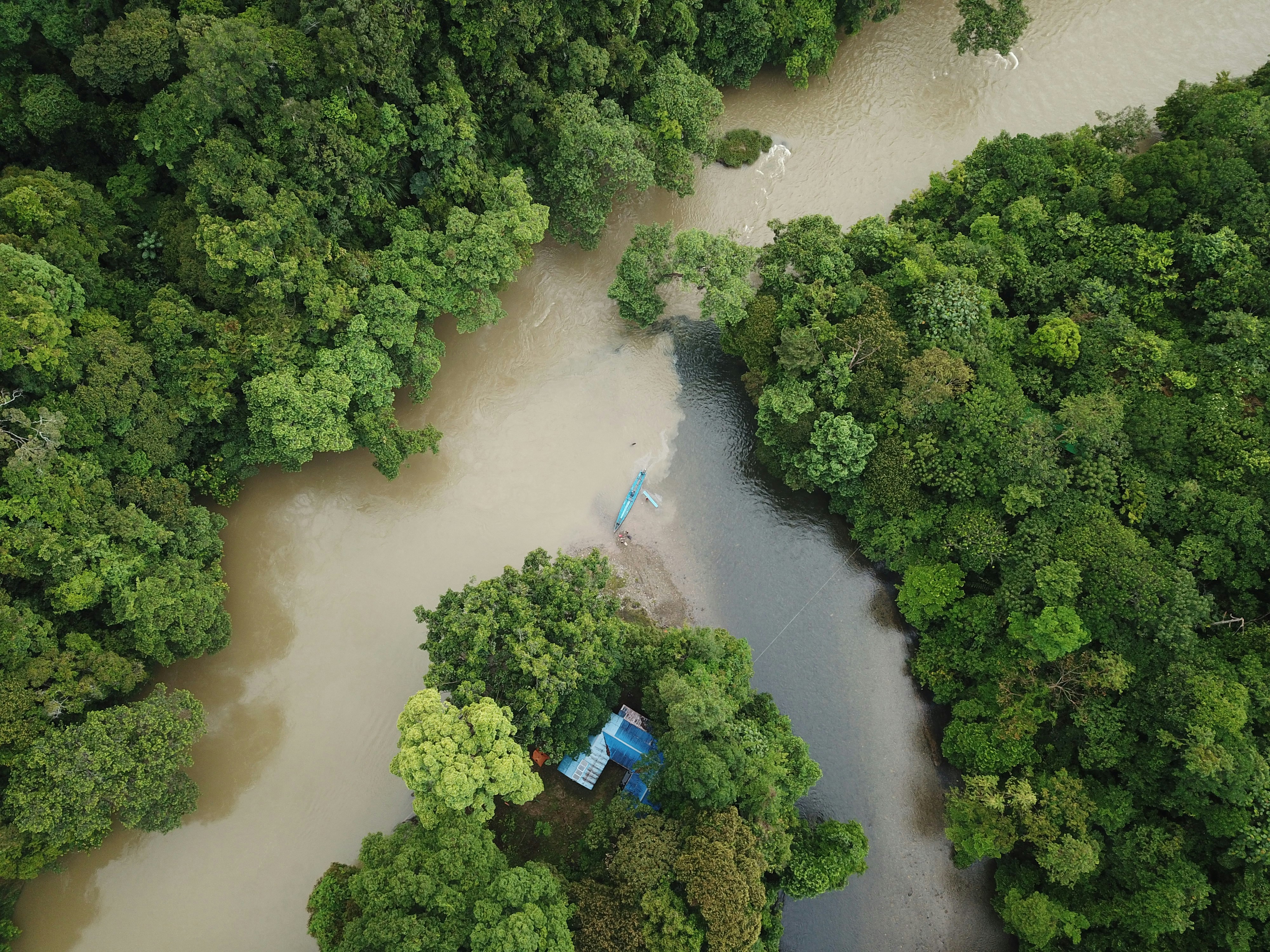
For Malaysia's indigenous communities, including the Orang Asli, Dayak, and Penan peoples, these mystical trees form integral components of complex cultural cosmologies that define human-forest relationships.
Traditional ecological knowledge systems recognize specific trees as portals between physical and spiritual realms, repositories of ancestral wisdom, and living embodiments of creation stories.
These sophisticated indigenous understandings have generated sustainable forest management practices that maintain biodiversity while honoring the spiritual dimensions of these remarkable trees.
Traditional ecological knowledge systems recognize specific trees as portals between physical and spiritual realms, repositories of ancestral wisdom, and living embodiments of creation stories.
Bunut Bolong is a unique Banyan Tree with a hole in the tree large enough so two cars can pass next to each other at the same time.
Cultural Cosmologies and Forest Relationships
For Malaysia's indigenous communities, including the Orang Asli, Dayak, and Penan peoples, these mystical trees form integral components of complex cultural cosmologies that define human-forest relationships.
Traditional ecological knowledge systems recognize specific trees as portals between physical and spiritual realms, repositories of ancestral wisdom, and living embodiments of creation stories.
These sophisticated indigenous understandings have generated sustainable forest management practices that maintain biodiversity while honoring the spiritual dimensions of these remarkable trees.
Traditional ecological knowledge systems recognize specific trees as portals between physical and spiritual realms, repositories of ancestral wisdom, and living embodiments of creation stories.
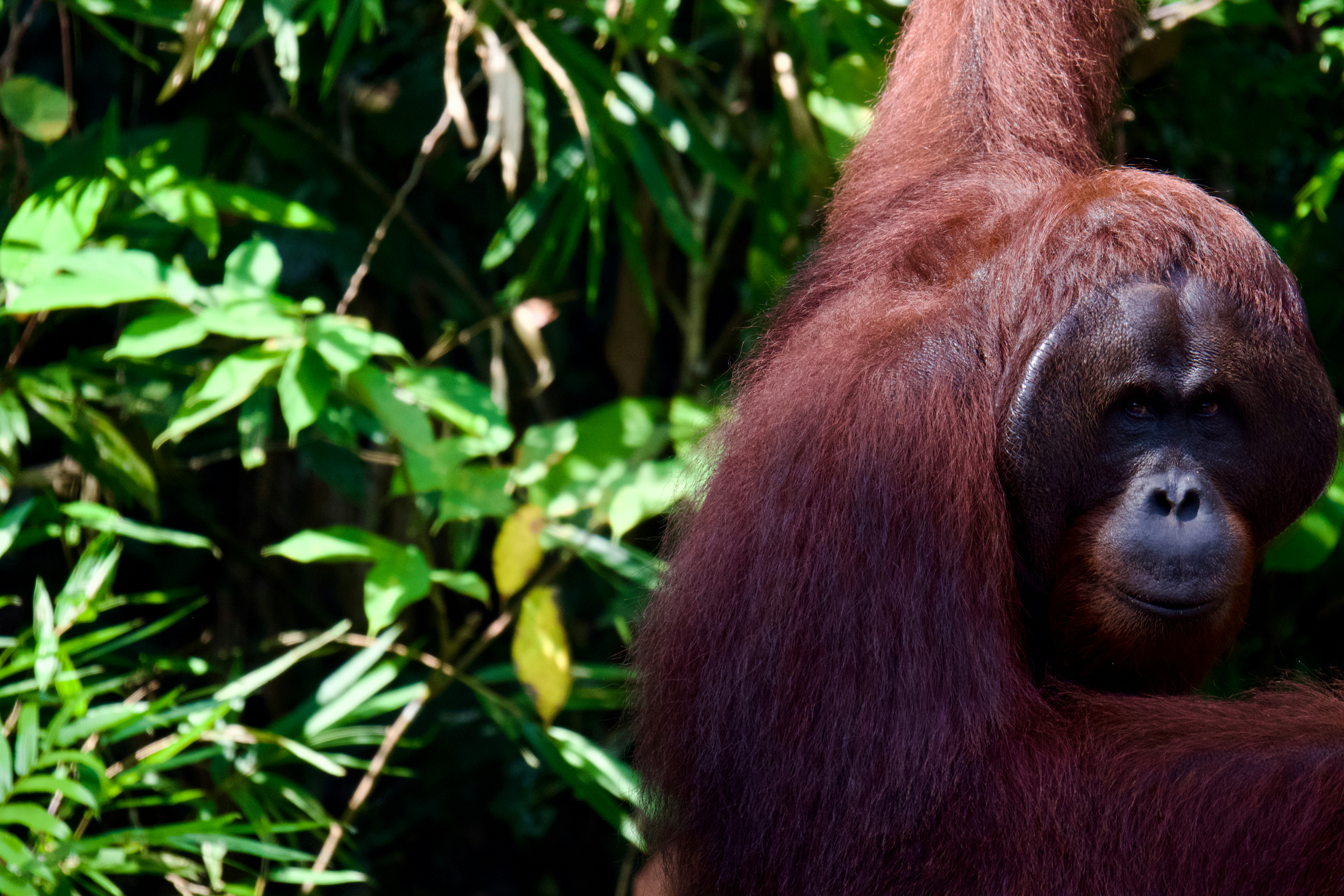
Bunut Bolong is a unique Banyan Tree with a hole in the tree large enough so two cars can pass next to each other at the same time.
Photo by
Marcus Rodriguez
Conservation Crisis and Modern Challenges
Malaysia's mystical trees face unprecedented threats from industrial logging, agricultural expansion, and climate change impacts. Primary forests containing irreplaceable ancient specimens disappear at alarming rates, destroying not just biological resources but also cultural heritage and spiritual landscapes.
The complex ecological functions these trees perform—carbon sequestration, watershed protection, biodiversity support—represent critical environmental services increasingly recognized by conservation scientists and policymakers seeking solutions to environmental degradation.
Innovative Protection Strategies and Indigenous Leadership
Emerging conservation approaches increasingly recognize indigenous communities as essential partners in forest preservation efforts. Innovative legal frameworks that acknowledge cultural and spiritual values of forests, community-based monitoring systems utilizing traditional knowledge, and ecotourism initiatives highlighting forest heritage represent promising strategies for protection.
These approaches recognize that preserving Malaysia's mystical trees requires addressing both environmental and cultural dimensions of forest ecosystems.
Conclusion
Malaysia's mystical trees represent profound symbols of the intricate relationships between biological diversity, cultural heritage, and spiritual traditions.
They challenge contemporary environmental thinking, demonstrating that effective conservation must recognize forests as complex socio-ecological systems embedded with cultural meaning and spiritual significance.
Preserving these remarkable trees requires moving beyond purely scientific approaches to embrace diverse knowledge systems and value frameworks that honor the soul of the forest.
Enjoyed reading this post? Share it with your network!


