
Ancient Wisdom in Modern Times: How Cambodia is Preserving its Sacred Trees for Future Generations

February 6, 2025

Cambodia's sacred trees symbolize cultural-spiritual wisdom and ecological resilience. Preservation blends ancient reverence with modern methods, uniting community traditions and science to safeguard cultural heritage and ecosystems amid global change. (35 words) temple, pipal, banyan.

Read the Article

Buddhist environmentalism

Guardians of Heritage: Bridging Centuries of Ecological Knowledge

Maya Silverstone

February 6, 2025

Cambodia's sacred trees symbolize cultural-spiritual wisdom and ecological resilience. Preservation blends ancient reverence with modern methods, uniting community traditions and science to safeguard cultural heritage and ecosystems amid global change. (35 words) temple, pipal, banyan.

Living Temples: The Cultural Significance of Cambodia's Sacred Trees

Across Cambodia's diverse landscapes, from the temple complexes of Angkor to remote village sanctuaries, sacred trees stand as silent witnesses to centuries of history, spiritual practice, and environmental change.

These remarkable living monuments—including ancient spung, koki, and banyan trees—represent far more than botanical specimens; they embody complex interconnections between spiritual beliefs, cultural traditions, and ecological knowledge.

Many bear witness to historical events, serving as anchoring points for community memory and cultural identity.

Traditional Protection Systems and Spiritual Guardianship

Cambodia's traditional approaches to tree preservation reveal sophisticated ecological understanding embedded within spiritual frameworks.

Ancient trees wrapped in colorful cloth, adorned with offerings, and protected by spiritual taboos demonstrate how cultural reverence translates into effective conservation practices.

Village elders and Buddhist monks serve as knowledge keepers and guardians, maintaining complex systems of traditional ecological knowledge that recognize trees as sentient beings worthy of respect and protection.


Ancient trees wrapped in colorful cloth, adorned with offerings, and protected by spiritual taboos demonstrate how cultural reverence translates into effective conservation practices.

Bunut Bolong is a unique Banyan Tree with a hole in the tree large enough so two cars can pass next to each other at the same time.

Traditional Protection Systems and Spiritual Guardianship

Cambodia's traditional approaches to tree preservation reveal sophisticated ecological understanding embedded within spiritual frameworks.

Ancient trees wrapped in colorful cloth, adorned with offerings, and protected by spiritual taboos demonstrate how cultural reverence translates into effective conservation practices.

Village elders and Buddhist monks serve as knowledge keepers and guardians, maintaining complex systems of traditional ecological knowledge that recognize trees as sentient beings worthy of respect and protection.


Ancient trees wrapped in colorful cloth, adorned with offerings, and protected by spiritual taboos demonstrate how cultural reverence translates into effective conservation practices.

Bunut Bolong is a unique Banyan Tree with a hole in the tree large enough so two cars can pass next to each other at the same time.

Photo by

Maya Silverstone

Innovative Integration: Bridging Traditional and Modern Approaches

Contemporary Cambodia is developing remarkable models for sacred tree preservation that honor traditional knowledge while incorporating modern conservation strategies.

Community-based monitoring initiatives, digital mapping projects documenting ancient trees, educational programs integrating traditional stories with scientific understanding, and ecotourism ventures highlighting sacred forests represent creative approaches to preservation.

These integrative models create frameworks where diverse knowledge systems strengthen conservation outcomes.


Challenges and Resilient Responses in a Changing World

Despite their cultural importance, Cambodia's sacred trees face significant threats from development pressures, climate impacts, and changing social dynamics.

Environmental organizations, government agencies, and local communities respond with resilient adaptation, developing innovative protection strategies including legal recognition of sacred natural sites, community forest designations, and tree ordination ceremonies that reinforce traditional values while addressing contemporary challenges.

These responses demonstrate remarkable cultural continuity and adaptive capacity.

Conclusion

Cambodia's efforts to preserve its sacred trees reveal profound insights into the integration of cultural heritage and environmental conservation.

These initiatives demonstrate that effective preservation requires honoring both the ecological and spiritual dimensions of these remarkable living monuments.

By valuing diverse knowledge systems, respecting traditional approaches, and developing collaborative protection frameworks, Cambodia creates models for sustainable conservation that maintain cultural continuity while addressing urgent environmental challenges.

The preservation of these sacred trees represents not just environmental stewardship but a commitment to maintaining the rich cultural tapestry that defines Cambodia's unique identity and heritage.

Enjoyed reading this post? Share it with your network!

Facebook Icn
bluesky icon
mastodon icon
youtube logo
brand

© 2021 - 2025 | Asian Heritage Silva : All rights reserved. a Website Created by matinee.icu

Ancient Wisdom in Modern Times: How Cambodia is Preserving its Sacred Trees for Future Generations

February 6, 2025

Cambodia's sacred trees symbolize cultural-spiritual wisdom and ecological resilience. Preservation blends ancient reverence with modern methods, uniting community traditions and science to safeguard cultural heritage and ecosystems amid global change. (35 words) temple, pipal, banyan.

Read the Article

Buddhist environmentalism

Guardians of Heritage: Bridging Centuries of Ecological Knowledge

February 6, 2025

Maya Silverstone

Cambodia's sacred trees symbolize cultural-spiritual wisdom and ecological resilience. Preservation blends ancient reverence with modern methods, uniting community traditions and science to safeguard cultural heritage and ecosystems amid global change. (35 words) temple, pipal, banyan.

Living Temples: The Cultural Significance of Cambodia's Sacred Trees

Across Cambodia's diverse landscapes, from the temple complexes of Angkor to remote village sanctuaries, sacred trees stand as silent witnesses to centuries of history, spiritual practice, and environmental change.

These remarkable living monuments—including ancient spung, koki, and banyan trees—represent far more than botanical specimens; they embody complex interconnections between spiritual beliefs, cultural traditions, and ecological knowledge.

Many bear witness to historical events, serving as anchoring points for community memory and cultural identity.

Traditional Protection Systems and Spiritual Guardianship

Cambodia's traditional approaches to tree preservation reveal sophisticated ecological understanding embedded within spiritual frameworks.

Ancient trees wrapped in colorful cloth, adorned with offerings, and protected by spiritual taboos demonstrate how cultural reverence translates into effective conservation practices.

Village elders and Buddhist monks serve as knowledge keepers and guardians, maintaining complex systems of traditional ecological knowledge that recognize trees as sentient beings worthy of respect and protection.


Ancient trees wrapped in colorful cloth, adorned with offerings, and protected by spiritual taboos demonstrate how cultural reverence translates into effective conservation practices.

Bunut Bolong is a unique Banyan Tree with a hole in the tree large enough so two cars can pass next to each other at the same time.

Traditional Protection Systems and Spiritual Guardianship

Cambodia's traditional approaches to tree preservation reveal sophisticated ecological understanding embedded within spiritual frameworks.

Ancient trees wrapped in colorful cloth, adorned with offerings, and protected by spiritual taboos demonstrate how cultural reverence translates into effective conservation practices.

Village elders and Buddhist monks serve as knowledge keepers and guardians, maintaining complex systems of traditional ecological knowledge that recognize trees as sentient beings worthy of respect and protection.


Ancient trees wrapped in colorful cloth, adorned with offerings, and protected by spiritual taboos demonstrate how cultural reverence translates into effective conservation practices.

Bunut Bolong is a unique Banyan Tree with a hole in the tree large enough so two cars can pass next to each other at the same time.

Photo by

Maya Silverstone

Innovative Integration: Bridging Traditional and Modern Approaches

Contemporary Cambodia is developing remarkable models for sacred tree preservation that honor traditional knowledge while incorporating modern conservation strategies.

Community-based monitoring initiatives, digital mapping projects documenting ancient trees, educational programs integrating traditional stories with scientific understanding, and ecotourism ventures highlighting sacred forests represent creative approaches to preservation.

These integrative models create frameworks where diverse knowledge systems strengthen conservation outcomes.


Challenges and Resilient Responses in a Changing World

Despite their cultural importance, Cambodia's sacred trees face significant threats from development pressures, climate impacts, and changing social dynamics.

Environmental organizations, government agencies, and local communities respond with resilient adaptation, developing innovative protection strategies including legal recognition of sacred natural sites, community forest designations, and tree ordination ceremonies that reinforce traditional values while addressing contemporary challenges.

These responses demonstrate remarkable cultural continuity and adaptive capacity.

Conclusion

Cambodia's efforts to preserve its sacred trees reveal profound insights into the integration of cultural heritage and environmental conservation.

These initiatives demonstrate that effective preservation requires honoring both the ecological and spiritual dimensions of these remarkable living monuments.

By valuing diverse knowledge systems, respecting traditional approaches, and developing collaborative protection frameworks, Cambodia creates models for sustainable conservation that maintain cultural continuity while addressing urgent environmental challenges.

The preservation of these sacred trees represents not just environmental stewardship but a commitment to maintaining the rich cultural tapestry that defines Cambodia's unique identity and heritage.

Enjoyed reading this post? Share it with your network!

Facebook Icn
bluesky icon
mastodon icon
youtube logo

Donate Today

Support the costs of the project to keep it alive

DONATE

Explore More

About The Map Project

Learn Map Builder

Help Through GFW

Privacy Policy

About

Our Vision

Contact Us

CONNECT

Facebook Icn
youtube logo
bluesky icon
mastodon icon
brand

© 2021 - 2025 | Asian Heritage Silva : All rights reserved. a Website Created by matinee.icu

Ancient Wisdom in Modern Times: How Cambodia is Preserving its Sacred Trees for Future Generations

February 6, 2025

Cambodia's sacred trees symbolize cultural-spiritual wisdom and ecological resilience. Preservation blends ancient reverence with modern methods, uniting community traditions and science to safeguard cultural heritage and ecosystems amid global change. (35 words) temple, pipal, banyan.

Buddhist environmentalism

Guardians of Heritage: Bridging Centuries of Ecological Knowledge

Maya Silverstone

February 6, 2025

Cambodia's sacred trees symbolize cultural-spiritual wisdom and ecological resilience. Preservation blends ancient reverence with modern methods, uniting community traditions and science to safeguard cultural heritage and ecosystems amid global change. (35 words) temple, pipal, banyan.

Living Temples: The Cultural Significance of Cambodia's Sacred Trees

Across Cambodia's diverse landscapes, from the temple complexes of Angkor to remote village sanctuaries, sacred trees stand as silent witnesses to centuries of history, spiritual practice, and environmental change.

These remarkable living monuments—including ancient spung, koki, and banyan trees—represent far more than botanical specimens; they embody complex interconnections between spiritual beliefs, cultural traditions, and ecological knowledge.

Many bear witness to historical events, serving as anchoring points for community memory and cultural identity.
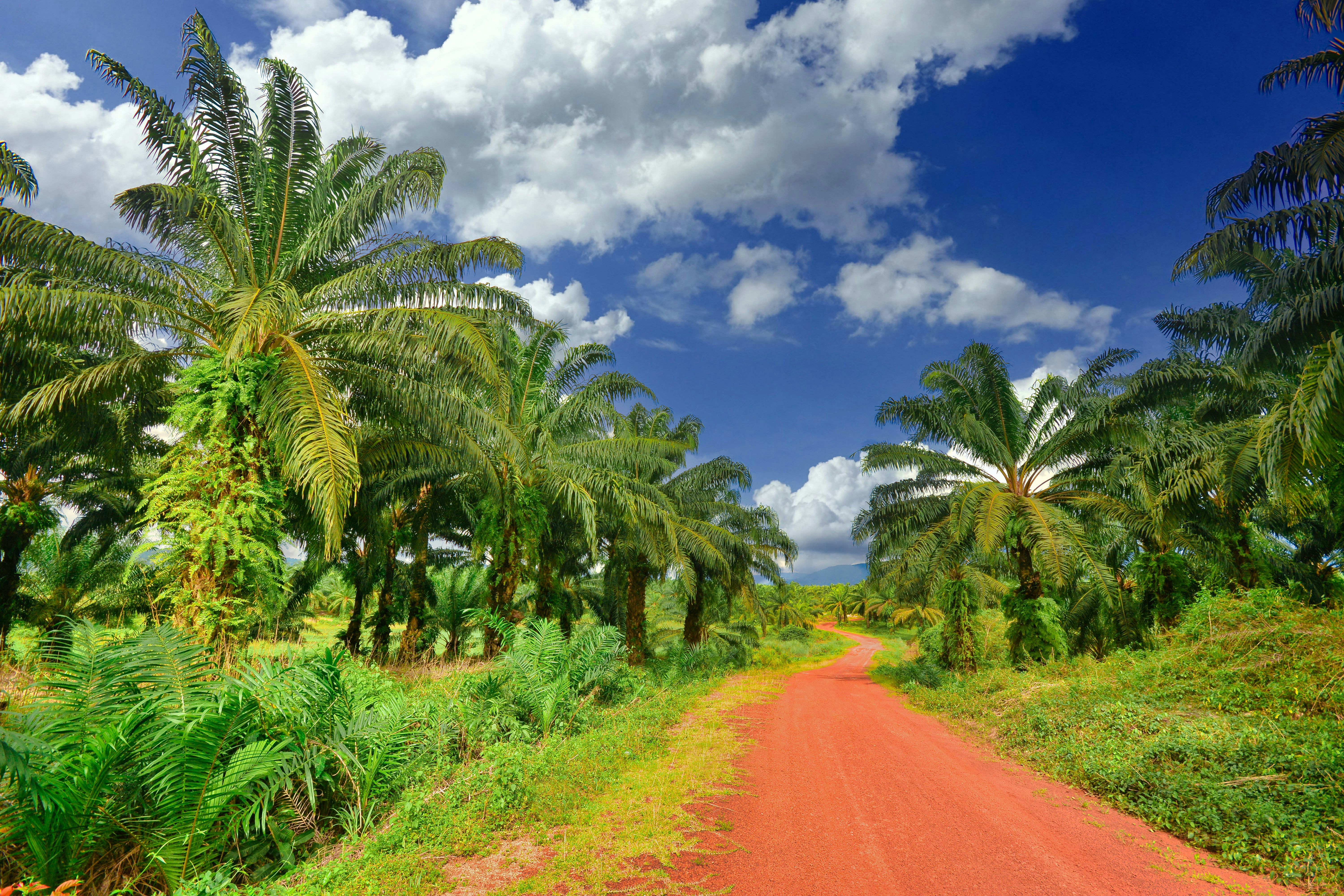
Living Temples: The Cultural Significance of Cambodia's Sacred Trees

Across Cambodia's diverse landscapes, from the temple complexes of Angkor to remote village sanctuaries, sacred trees stand as silent witnesses to centuries of history, spiritual practice, and environmental change.

These remarkable living monuments—including ancient spung, koki, and banyan trees—represent far more than botanical specimens; they embody complex interconnections between spiritual beliefs, cultural traditions, and ecological knowledge.

Many bear witness to historical events, serving as anchoring points for community memory and cultural identity.

Bunut Bolong is a unique Banyan Tree with a hole in the tree large enough so two cars can pass next to each other at the same time.

Traditional Protection Systems and Spiritual Guardianship

Cambodia's traditional approaches to tree preservation reveal sophisticated ecological understanding embedded within spiritual frameworks.

Ancient trees wrapped in colorful cloth, adorned with offerings, and protected by spiritual taboos demonstrate how cultural reverence translates into effective conservation practices.
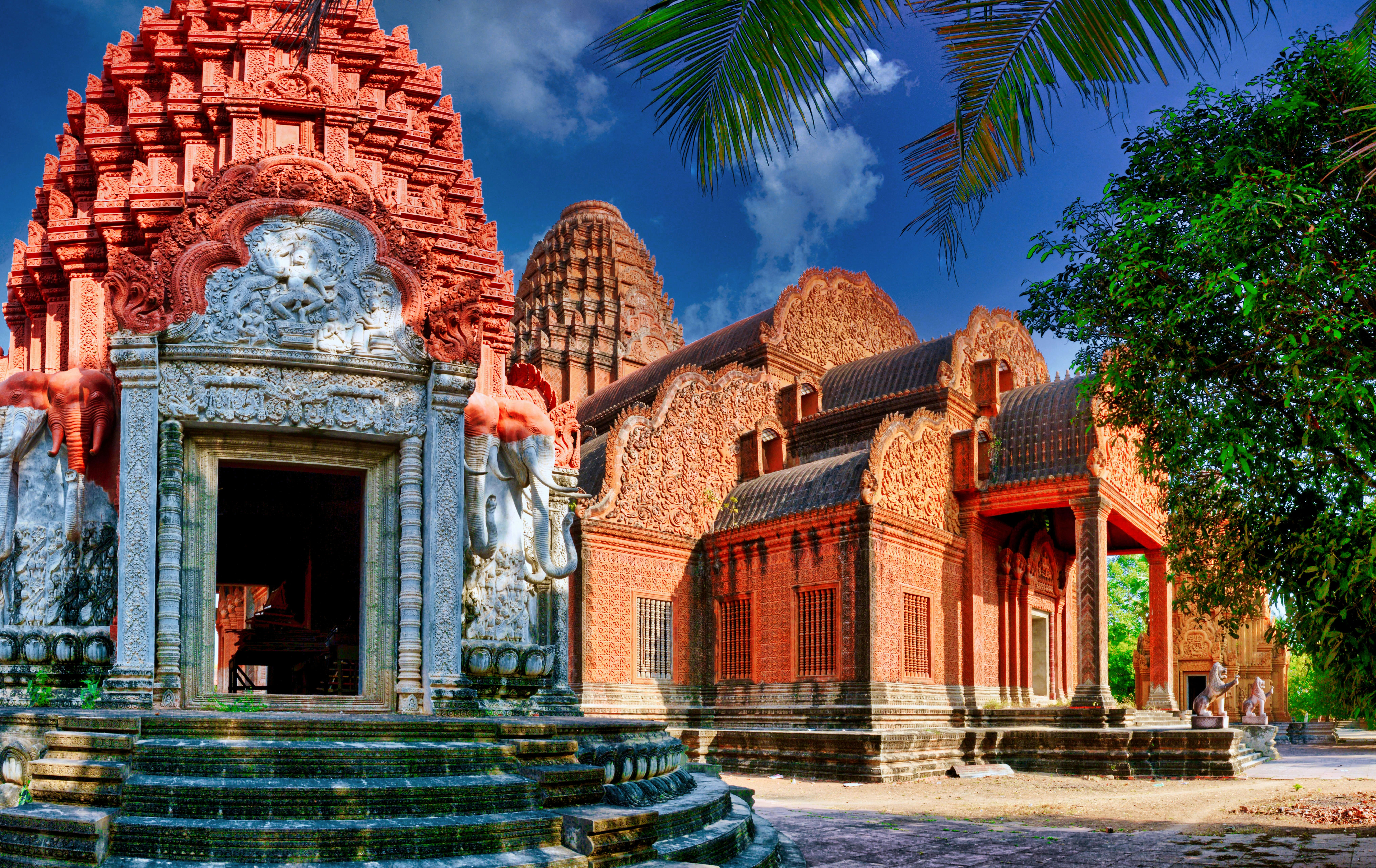
Village elders and Buddhist monks serve as knowledge keepers and guardians, maintaining complex systems of traditional ecological knowledge that recognize trees as sentient beings worthy of respect and protection.


Ancient trees wrapped in colorful cloth, adorned with offerings, and protected by spiritual taboos demonstrate how cultural reverence translates into effective conservation practices.
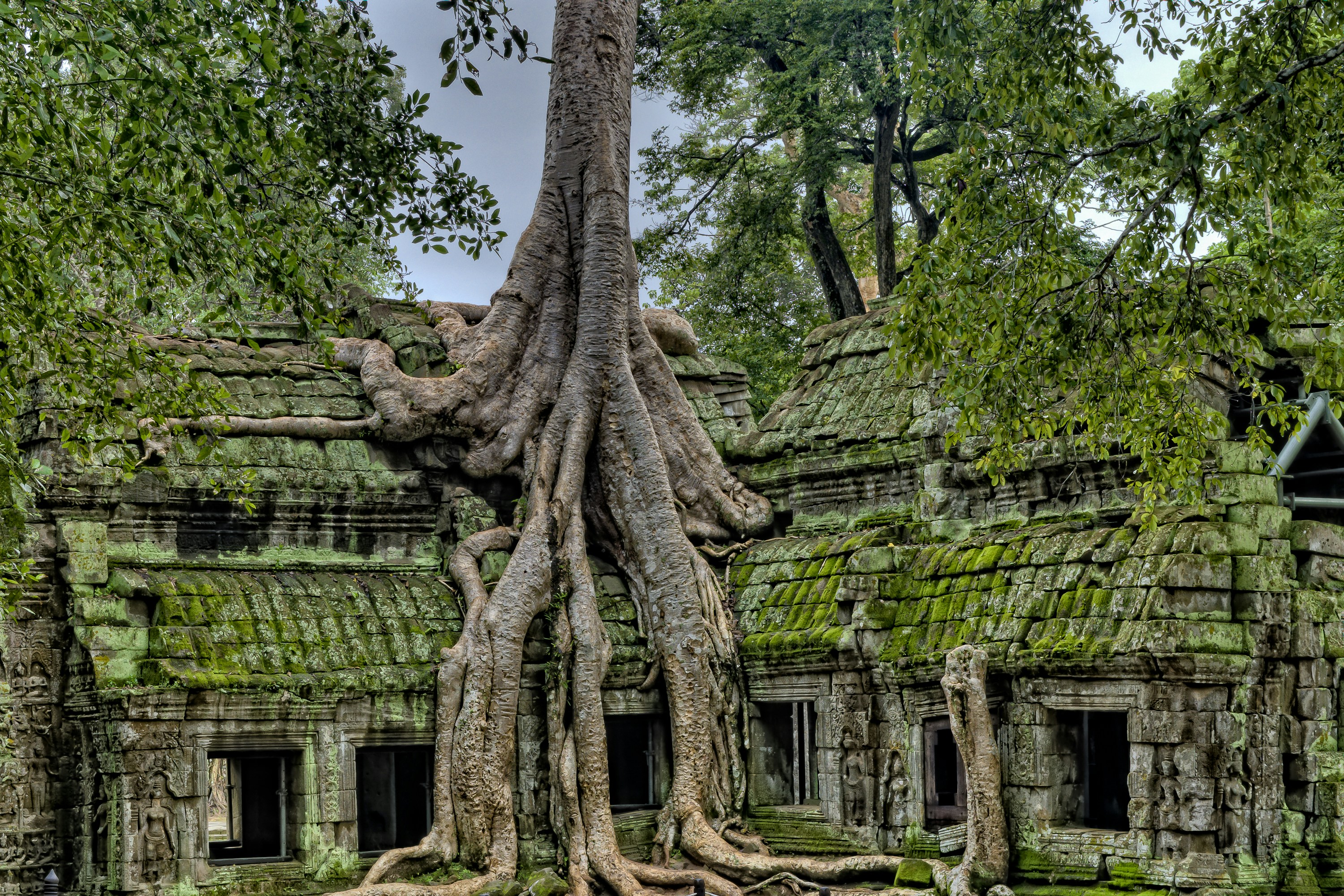
Bunut Bolong is a unique Banyan Tree with a hole in the tree large enough so two cars can pass next to each other at the same time.
Photo by
Maya Silverstone

Innovative Integration: Bridging Traditional and Modern Approaches

Contemporary Cambodia is developing remarkable models for sacred tree preservation that honor traditional knowledge while incorporating modern conservation strategies.

Community-based monitoring initiatives, digital mapping projects documenting ancient trees, educational programs integrating traditional stories with scientific understanding, and ecotourism ventures highlighting sacred forests represent creative approaches to preservation.

These integrative models create frameworks where diverse knowledge systems strengthen conservation outcomes.


Challenges and Resilient Responses in a Changing World

Despite their cultural importance, Cambodia's sacred trees face significant threats from development pressures, climate impacts, and changing social dynamics.

Environmental organizations, government agencies, and local communities respond with resilient adaptation, developing innovative protection strategies including legal recognition of sacred natural sites, community forest designations, and tree ordination ceremonies that reinforce traditional values while addressing contemporary challenges.

These responses demonstrate remarkable cultural continuity and adaptive capacity.

Conclusion

Cambodia's efforts to preserve its sacred trees reveal profound insights into the integration of cultural heritage and environmental conservation.

These initiatives demonstrate that effective preservation requires honoring both the ecological and spiritual dimensions of these remarkable living monuments.

By valuing diverse knowledge systems, respecting traditional approaches, and developing collaborative protection frameworks, Cambodia creates models for sustainable conservation that maintain cultural continuity while addressing urgent environmental challenges.

The preservation of these sacred trees represents not just environmental stewardship but a commitment to maintaining the rich cultural tapestry that defines Cambodia's unique identity and heritage.

Enjoyed reading this post? Share it with your network!

Facebook Icn
bluesky icon
mastodon icon
youtube logo
brand

© 2021 - 2025 | Asian Heritage Silva : All rights reserved. | A Website Created by matinee.icu