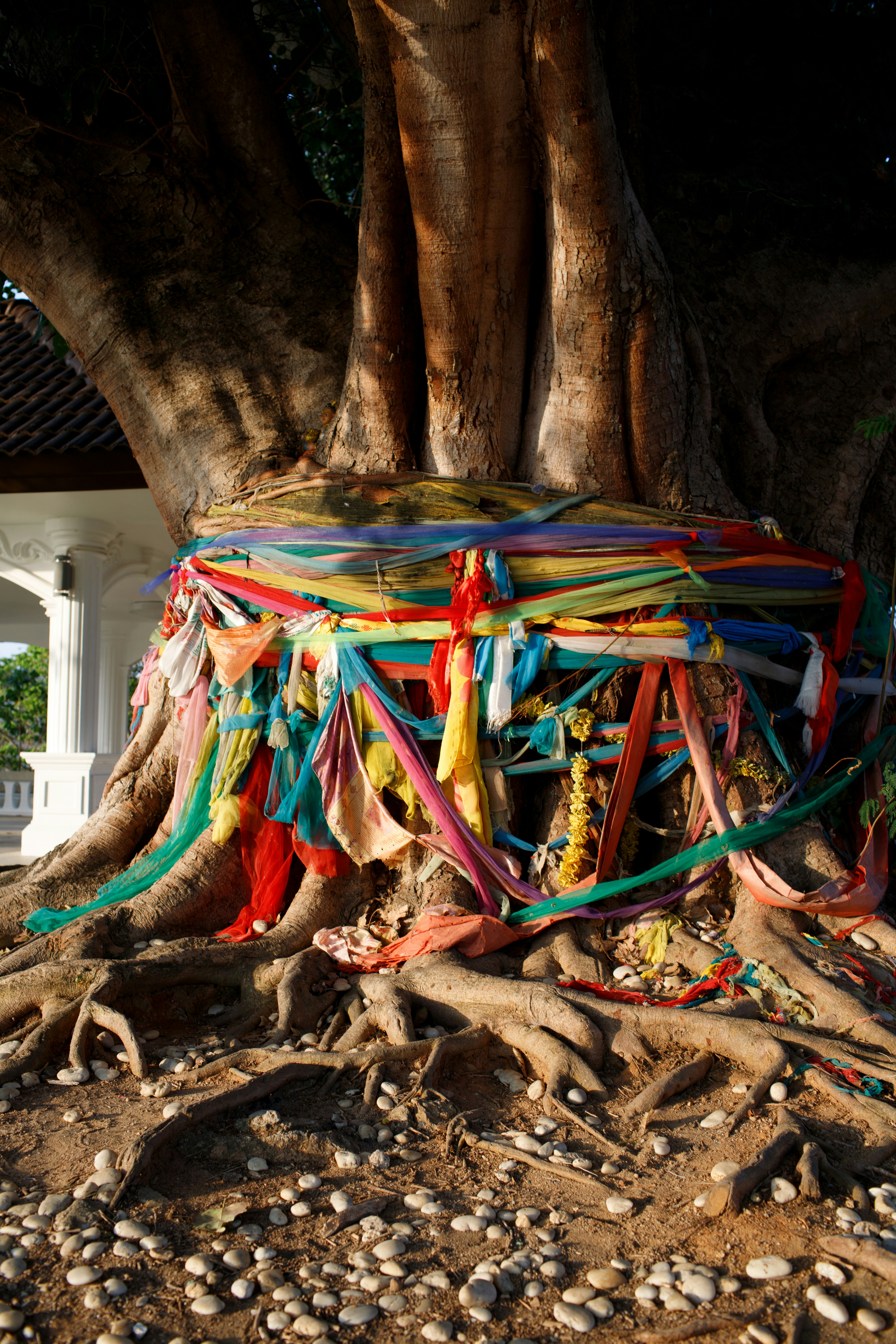
IMG20240714113558.jpg

Explore the Analysis Methodology of Sacred Trees.

Learning to identify the types of sacred trees in Southeast Asia can be a rewarding and enriching experience.

A profusion of resources provide understanding on the holy trees from Southeast Asia, reviewing their physical characteristics, societal relevance, and spread.

Get Involved

dividers
divider
How to learn to identify the types of sacred trees in Southeast Asia

Exploring the Various Types of Sacred Trees Across Cultures and Their Significance

Tree worship constitutes a fundamental aspect of various religions, particularly those that incorporate animism as a central tenet. This eco-centric belief system posits that natural entities such as trees, forests, rivers, and mountains possess a life force, necessitating their conservation and sustainable utilization.

Bodhi tree

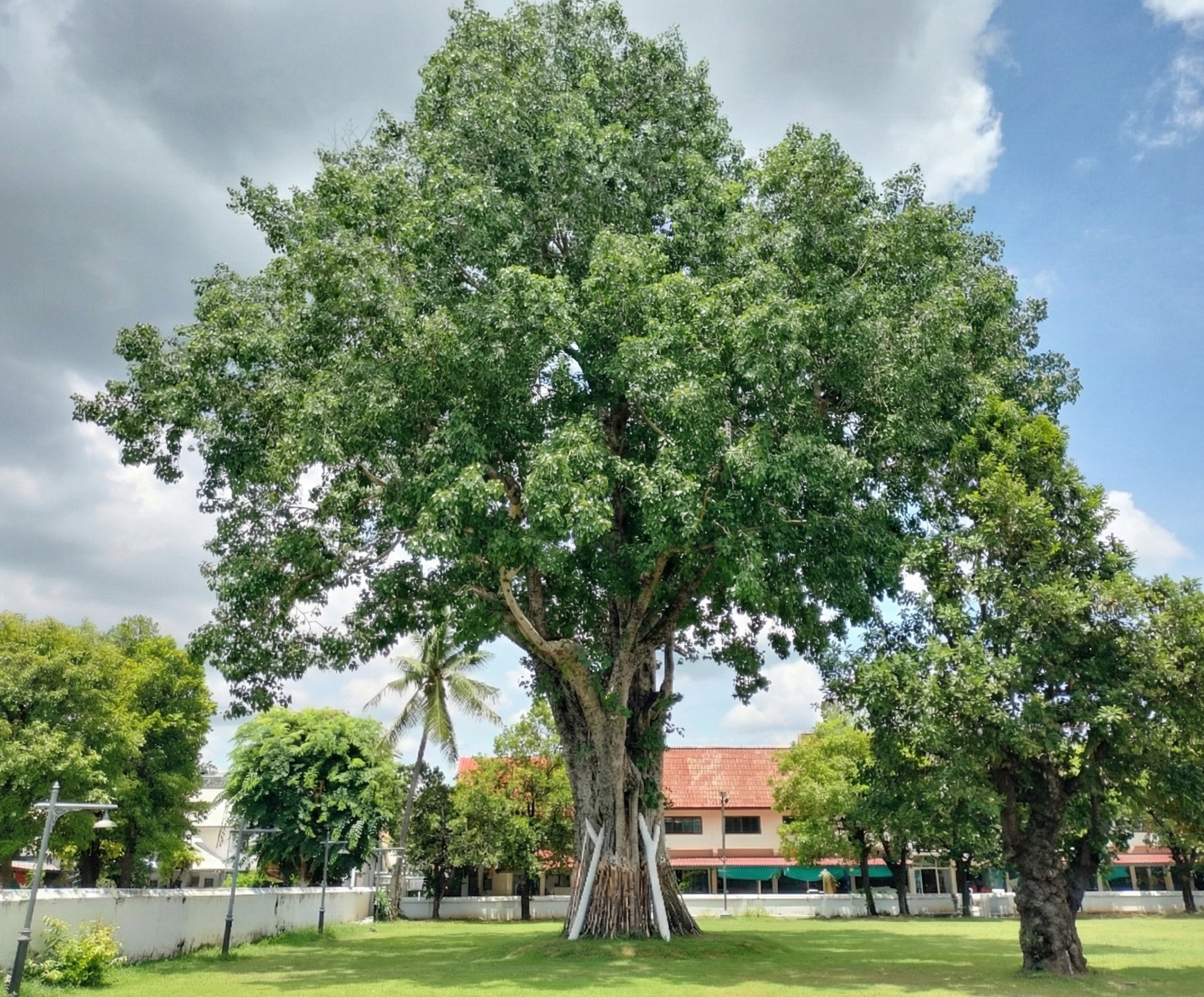
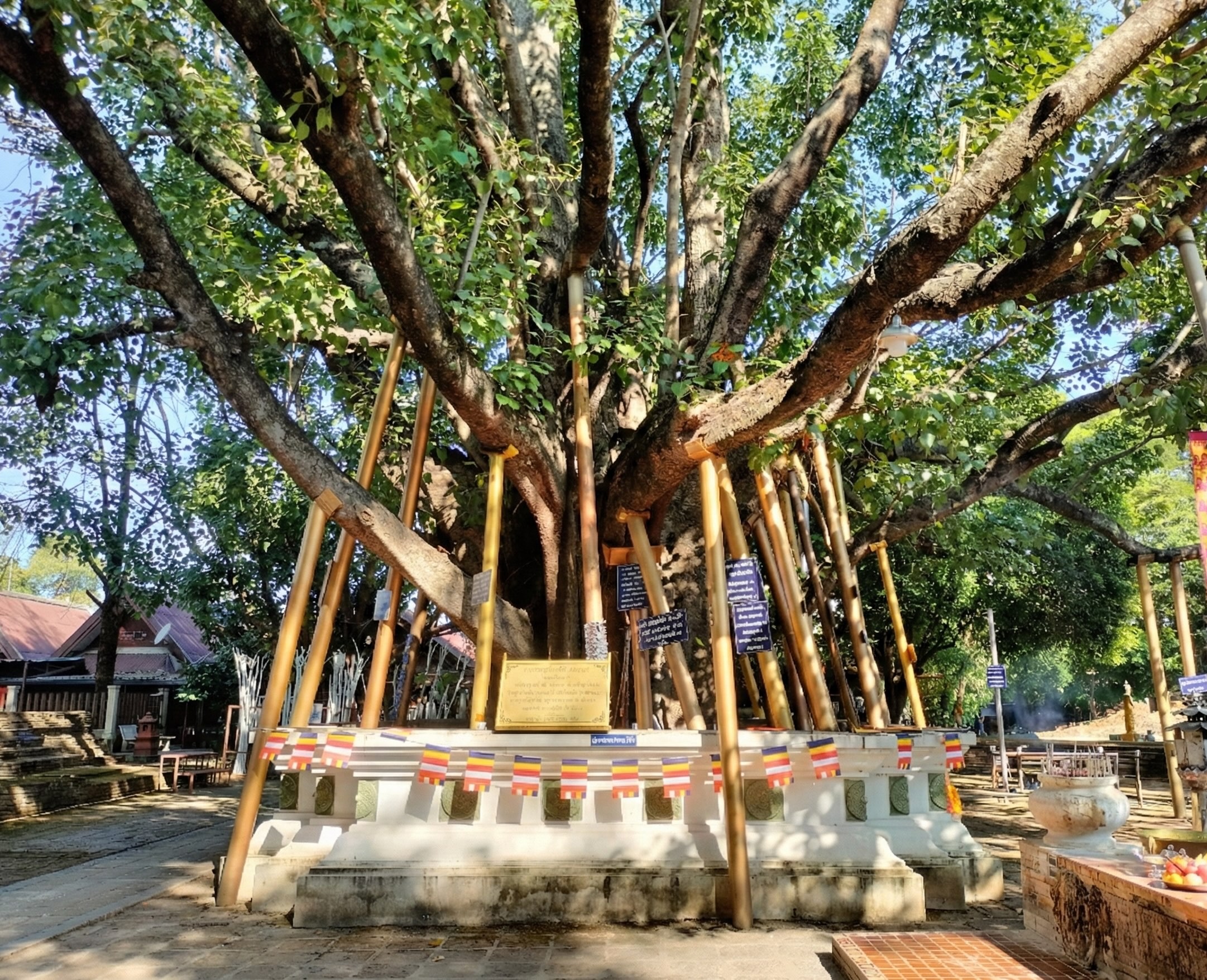
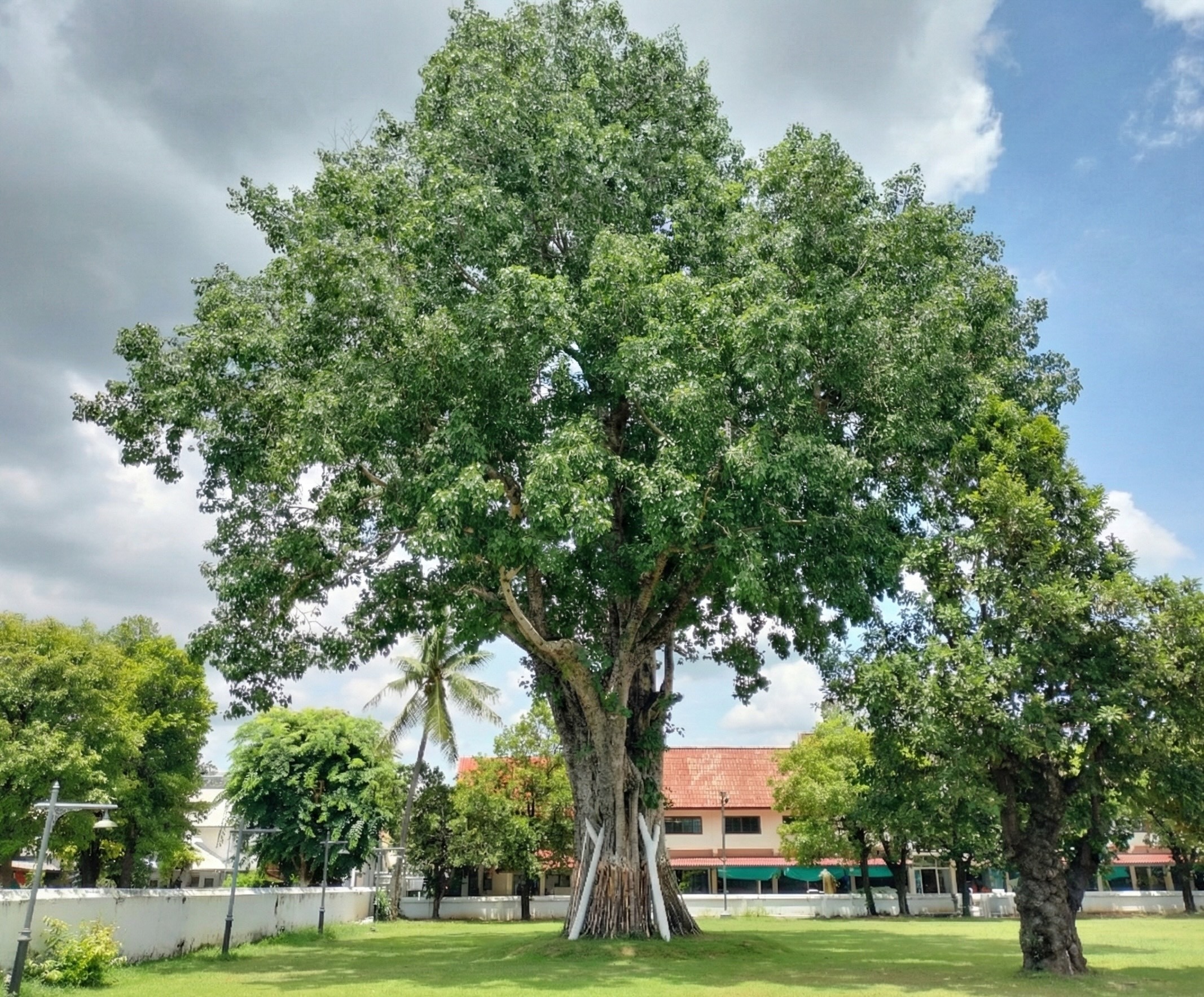
The Bodhi Tree is a sacred fig tree (Ficus religiosa) honored by Buddhists as the site of the Buddha's enlightenment.

Banyan tree

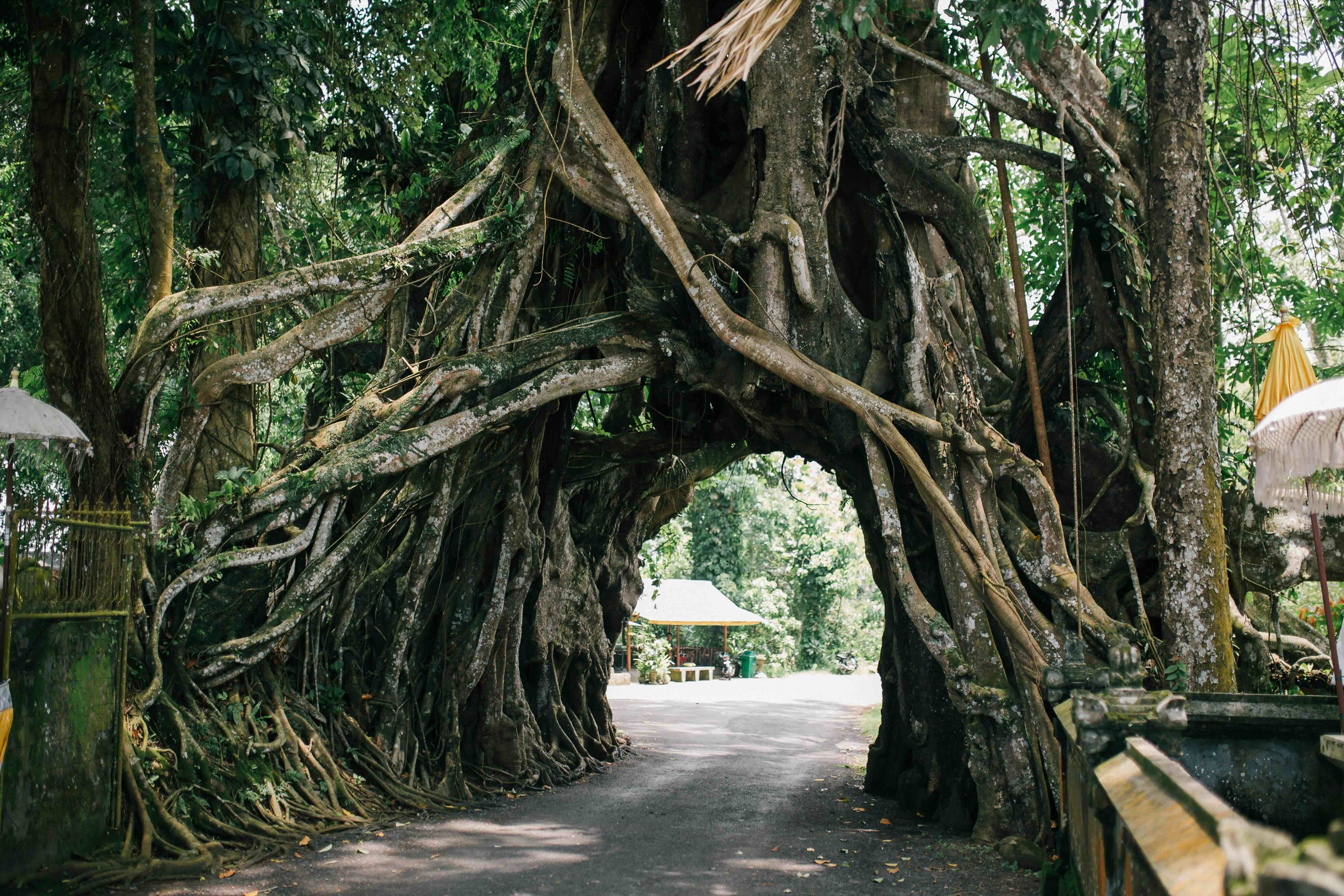
The Banyan Tree is a large tropical fig native to India, known for its aerial roots that grow into new trunks.

temple tree


A sacred tree in a Buddhist temple is venerated for its connection to the Buddha and significant events in Buddhist history.

PIPAL tree

The Pipal Tree, or Ficus religiosa, is a large deciduous tree native to the Indian subcontinent and Southeast Asia, revered in Hinduism and Buddhism.

Neem tree

The Neem Tree, or Azadirachta indica, is a fast-growing evergreen native to the Indian subcontinent and Southeast Asia.

Sacred Groves

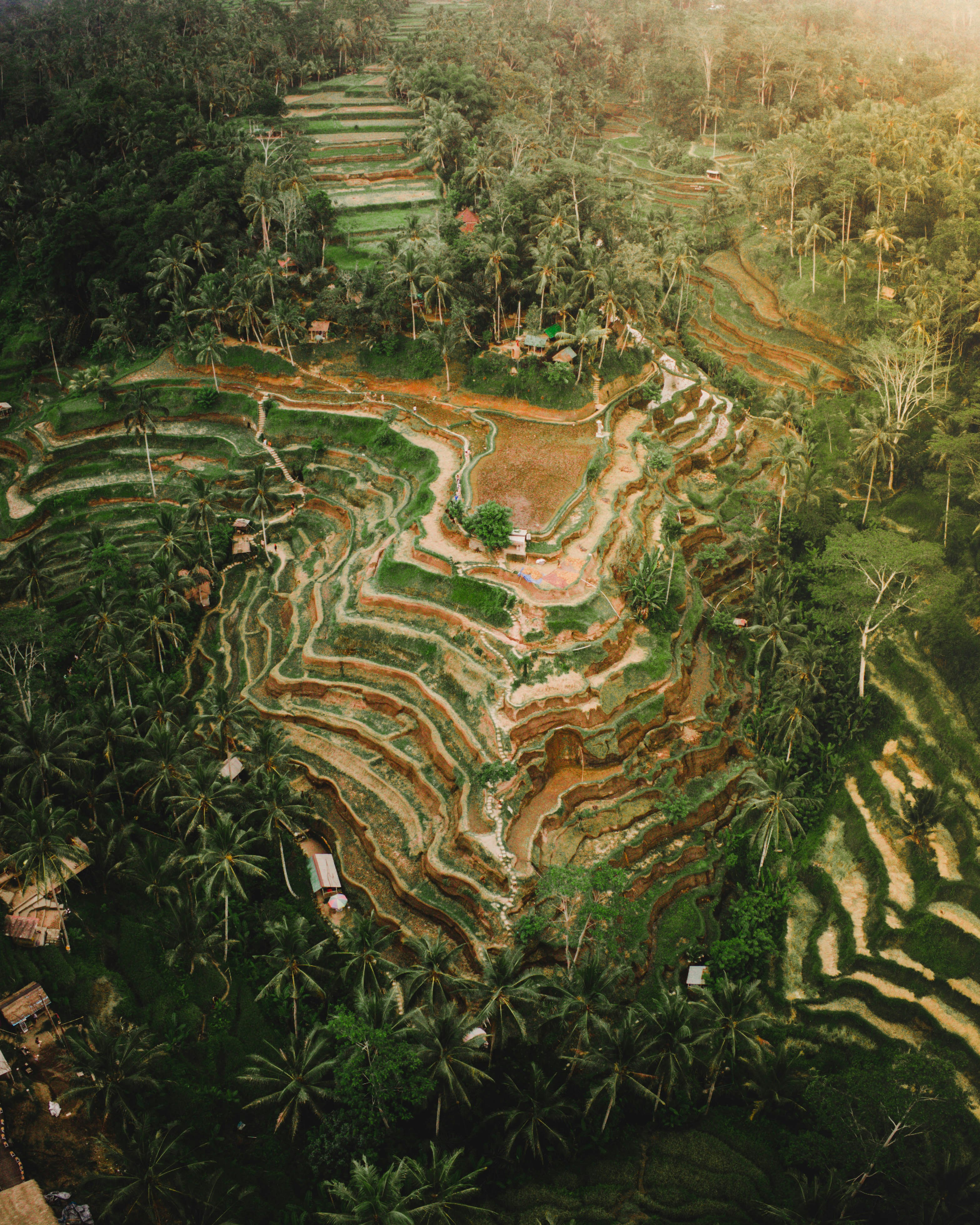
A Sacred Grove in Southeast Asia is a protected forest area valued for its religious, cultural, or ecological importance.

Monumental tree

The Monumental Trees are ancient trees surrounding the temple ruins, forming a key part of the site's unique landscape.


Discover more on our blog

divider
divider
divider
divider
ABOUT THE PROJECT.

Exploring the Profound Cultural and Ecological Significance of Sacred Trees.

Uncover the cultural and environmental significance of sacred trees in Monsoon Asia through crowdsource initiatives, interactive mapping, and experiential education.

Develop community-based conservation programs: Working with local communities to develop conservation programs that are tailored to the specific needs and beliefs of each community can be an effective way to conserve sacred trees. Such programs can include tree planting, natural resource management, and education and outreach.


Establish protected areas: Protected areas can help to conserve sacred trees and the ecosystems they support. These areas can be managed for conservation and cultural heritage purposes and can help to prevent damage or destruction of the trees.


Conduct research and monitoring: Research on the ecology and cultural significance of sacred trees can help to identify conservation priorities and inform management strategies. Monitoring of the health and condition of sacred trees can also help to detect and address threats to their survival.


Develop sustainable livelihoods: Developing sustainable livelihoods for local communities can help to reduce pressure on sacred trees and the ecosystems they support. By providing alternative sources of income and livelihood, such as agroforestry or eco-tourism, the need to exploit or damage sacred trees can be reduced.


Promote education and awareness: Education and awareness programs can help to raise awareness of the cultural, ecological, and spiritual value of sacred trees, and can help to foster a sense of ownership and responsibility among local communities and the broader public.


These interventions can help to conserve sacred trees and the important cultural and ecological values they represent.

READ MORE

Large sacred Bodhi tree (Ficus religiosa) supported by white ceremonial pillars on the grounds of Wat Suan Dok temple in Chiang Mai, Thailand.
divider
divider
divider
divider
divider
divider

With the current rate of deforestation, the world’s rainforests will be gone by 2100. The rainforest is home to more than half of all species on Earth.

Read Source

REMARKS, DATA, EVENTS & ADDITIONAL

A Typological Approach to Living Heritage

Dive into local myths, visit sacred sites, engage with experts, and explore literature and online resources that reveal the spiritual and social significance of trees. Discover the wealth of wisdom in our records.

PAPER

Spatial Syntax of the Sacred Ficus

A. Di Paolo

January 12, 2026

PAPER

The Sentient Landscape: An Examination of Asia's Cosmological Vision of the Forest

A. Di Paolo

January 16, 2026

PAPER

An Eco-Dhammic Response: The Realignment of Soteriology and Conservation in Contemporary Thai Buddhism

A. Di Paolo

January 23, 2026

Paper

Bali's Sacred Waringin Trees: Ancient Living Temples at the Heart of Hindu Culture

A. Di Paolo

February 5, 2026

Paper

Sacred Forests and Spirit-Hills: The Mnong Gar Ecocosmology as an Indigenous Conservation Framework in Vietnam

A. Di Paolo

February 13, 2026

Paper

The Maiden Tree (Nariphon): Origins and Mythology in Thai Buddhist Cosmology (Part 1).

Arcangelo Di Paolo (M.Phil.)

February 21, 2026

Paper

The Maiden Tree (Nariphon): Iconographic Evolution and Modern Art in Thailand (Part 2)

Arcangelo Di Paolo (M.Phil.)

February 27, 2026

Got To The Papers

Explore our blog!

Check out our blog to uncover the wonders of sacred trees!

Our blog offers insights into sacred trees, their history, and current relevance, making it a must-visit for enthusiasts.

POST

POST

POST

POST

POST

go to the blog

Partners

brand

© 2021 - 2025 | Asian Heritage Silva : All rights reserved. a Website Created by matinee.icu

IMG20240714113558.jpg

Explore the Analysis Methodology of Sacred Trees.

Learning to identify the types of sacred trees in Southeast Asia can be a rewarding and enriching experience.

A profusion of resources provide understanding on the holy trees from Southeast Asia, reviewing their physical characteristics, societal relevance, and spread.

Get Involved

divider
dividers
How to identify sacred tree types in Southeast Asia

Exploring the Various Types of Sacred Trees Across Cultures and Their Significance

Tree worship constitutes a fundamental aspect of various religions, particularly those that incorporate animism as a central tenet. This eco-centric belief system posits that natural entities such as trees, forests, rivers, and mountains possess a life force, necessitating their conservation and sustainable utilization.

Bodhi tree

The Bodhi Tree is a large, sacred fig tree (Ficus religiosa) that is revered by Buddhists as the tree under which the Buddha, Siddhartha Gautama, attained enlightenment.

Banyan tree

The Banyan Tree is a large, tropical fig tree that belongs to the Ficus genus and is native to India and other parts of South Asia. It is characterized by its aerial roots, which grow from its branches and eventually reach the ground, forming new trunks.

temple tree

A sacred tree in a Buddhist temple is a tree that is considered holy and venerated by Buddhists due to its association with the Buddha, his teachings, or important events in Buddhist history.

PIPAL tree

The Pipal Tree, also known as Ficus religiosa, is a large deciduous tree that is native to the Indian subcontinent and other parts of Southeast Asia. It is considered sacred in Hinduism, Buddhism, and other South Asian religions.

Neem tree

The Neem Tree, also known as Azadirachta indica, is a fast-growing evergreen tree that is native to the Indian subcontinent and other parts of Southeast Asia.

Sacred Groves

A Sacred Grove in Southeast Asia is a patch of forest that is considered sacred and protected by local communities due to its religious, cultural, or ecological significance.

Monumental tree

The Monumental Trees are ancient trees that have grown in and around the temple ruins, forming an integral part of the site's unique landscape.

Discover more on our blog

ABOUT THE PROJECT.

Exploring the Profound Cultural and Ecological Significance of Sacred Trees.

Uncover the cultural and environmental significance of sacred trees in Monsoon Asia through crowdsource initiatives, interactive mapping, and experiential education.

Develop community-based conservation programs: Working with local communities to develop conservation programs that are tailored to the specific needs and beliefs of each community can be an effective way to conserve sacred trees. Such programs can include tree planting, natural resource management, and education and outreach.


Establish protected areas: Protected areas can help to conserve sacred trees and the ecosystems they support. These areas can be managed for conservation and cultural heritage purposes and can help to prevent damage or destruction of the trees.


Conduct research and monitoring: Research on the ecology and cultural significance of sacred trees can help to identify conservation priorities and inform management strategies. Monitoring of the health and condition of sacred trees can also help to detect and address threats to their survival.


Develop sustainable livelihoods: Developing sustainable livelihoods for local communities can help to reduce pressure on sacred trees and the ecosystems they support. By providing alternative sources of income and livelihood, such as agroforestry or eco-tourism, the need to exploit or damage sacred trees can be reduced.


Promote education and awareness: Education and awareness programs can help to raise awareness of the cultural, ecological, and spiritual value of sacred trees, and can help to foster a sense of ownership and responsibility among local communities and the broader public.


These interventions can help to conserve sacred trees and the important cultural and ecological values they represent.

READ MORE

Large sacred Bodhi tree (Ficus religiosa) supported by white ceremonial pillars on the grounds of Wat Suan Dok temple in Chiang Mai, Thailand.
divider
divider
divider
divider
divider
divider

With the current rate of deforestation, the world’s rainforests will be gone by 2100. The rainforest is home to more than half of all species on Earth.

Read Source

REMARKS, DATA, EVENTS & ADDITIONAL

A Typological Approach to Living Heritage

Dive into local myths, visit sacred sites, engage with experts, and explore literature and online resources that reveal the spiritual and social significance of trees. Discover the wealth of wisdom in our records.

PAPER

Spatial Syntax of the Sacred Ficus

A. Di Paolo

January 12, 2026

PAPER

The Sentient Landscape: An Examination of Asia's Cosmological Vision of the Forest

A. Di Paolo

January 16, 2026

PAPER

An Eco-Dhammic Response: The Realignment of Soteriology and Conservation in Contemporary Thai Buddhism

A. Di Paolo

January 23, 2026

Paper

Bali's Sacred Waringin Trees: Ancient Living Temples at the Heart of Hindu Culture

A. Di Paolo

February 5, 2026

Paper

Sacred Forests and Spirit-Hills: The Mnong Gar Ecocosmology as an Indigenous Conservation Framework in Vietnam

A. Di Paolo

February 13, 2026

Paper

The Maiden Tree (Nariphon): Origins and Mythology in Thai Buddhist Cosmology (Part 1).

Arcangelo Di Paolo (M.Phil.)

February 21, 2026

Paper

The Maiden Tree (Nariphon): Iconographic Evolution and Modern Art in Thailand (Part 2)

Arcangelo Di Paolo (M.Phil.)

February 27, 2026

Got To The Papers

Explore our blog!

Check out our blog to uncover the wonders of sacred trees!

Our blog offers insights into sacred trees, their history, and current relevance, making it a must-visit for enthusiasts.

POST

POST

POST

POST

POST

go to the blog

Partners

Donate Today

Support the costs of the project to keep it alive

DONATE

Explore More

About The Map Project

Learn Map Builder

Help Through GFW

Privacy Policy

About

Our Vision

Contact Us

CONNECT

Facebook Icn
bluesky icon
mastodon icon
brand

© 2021 - 2025 | Asian Heritage Silva : All rights reserved. a Website Created by matinee.icu

IMG20240714113558.jpg

Explore the Analysis Methodology of Sacred Trees.

Learning to identify the types of sacred trees in Southeast Asia can be a rewarding and enriching experience.

A profusion of resources provide understanding on the holy trees from Southeast Asia, reviewing their physical characteristics, societal relevance, and spread.

Get Involved

divider
divider
divider
divider
How to identify sacred tree types in Southeast Asia

Exploring the Various Types of Sacred Trees Across Cultures and Their Significance

Tree worship constitutes a fundamental aspect of various religions, particularly those that incorporate animism as a central tenet. This eco-centric belief system posits that natural entities such as trees, forests, rivers, and mountains possess a life force, necessitating their conservation and sustainable utilization.

Bodhi tree

The Bodhi Tree is a large, sacred fig tree (Ficus religiosa) that is revered by Buddhists as the tree under which the Buddha, Siddhartha Gautama, attained enlightenment.

Banyan tree

The Banyan Tree is a large, tropical fig tree that belongs to the Ficus genus and is native to India and other parts of South Asia. It is characterized by its aerial roots, which grow from its branches and eventually reach the ground, forming new trunks.

temple tree

A sacred tree in a Buddhist temple is a tree that is considered holy and venerated by Buddhists due to its association with the Buddha, his teachings, or important events in Buddhist history.

PIPAL tree

The Pipal Tree, also known as Ficus religiosa, is a large deciduous tree that is native to the Indian subcontinent and other parts of Southeast Asia. It is considered sacred in Hinduism, Buddhism, and other South Asian religions.

Neem tree

The Neem Tree, also known as Azadirachta indica, is a fast-growing evergreen tree that is native to the Indian subcontinent and other parts of Southeast Asia.

Sacred Groves

A Sacred Grove in Southeast Asia is a patch of forest that is considered sacred and protected by local communities due to its religious, cultural, or ecological significance.

Monumental tree

The Monumental Trees are ancient trees that have grown in and around the temple ruins, forming an integral part of the site's unique landscape.

Discover more on our blog

divider
divider
divider
divider
intervention is possible

Religion and biodiversity conservation: not a mere analogy.

The conservation of sacred trees is important for maintaining the cultural, ecological, and spiritual value of these important resources. Here are some interventions that can be taken to help conserve sacred trees:

Develop community-based conservation programs: Working with local communities to develop conservation programs that are tailored to the specific needs and beliefs of each community can be an effective way to conserve sacred trees. Such programs can include tree planting, natural resource management, and education and outreach.


Establish protected areas: Protected areas can help to conserve sacred trees and the ecosystems they support. These areas can be managed for conservation and cultural heritage purposes and can help to prevent damage or destruction of the trees.


Conduct research and monitoring: Research on the ecology and cultural significance of sacred trees can help to identify conservation priorities and inform management strategies. Monitoring of the health and condition of sacred trees can also help to detect and address threats to their survival.


Develop sustainable livelihoods: Developing sustainable livelihoods for local communities can help to reduce pressure on sacred trees and the ecosystems they support. By providing alternative sources of income and livelihood, such as agroforestry or eco-tourism, the need to exploit or damage sacred trees can be reduced.


Promote education and awareness: Education and awareness programs can help to raise awareness of the cultural, ecological, and spiritual value of sacred trees, and can help to foster a sense of ownership and responsibility among local communities and the broader public.


These interventions can help to conserve sacred trees and the important cultural and ecological values they represent.

Large sacred Bodhi tree (Ficus religiosa) supported by white ceremonial pillars on the grounds of Wat Suan Dok temple in Chiang Mai, Thailand.
divider
divider
divider
divider
divider
divider

With the current rate of deforestation, the world’s rainforests will be gone by 2100. The

rainforest is home to more than half of all species on Earth.

Read Source

REMARKS, DATA, EVENTS & ADDITIONAL

A Typological Approach to Living Heritage

Dive into local myths, visit sacred sites, engage with experts, and explore literature and online resources that reveal the spiritual and social significance of trees. Discover the wealth of wisdom in our records.

PAPER

Spatial Syntax of the Sacred Ficus

A. Di Paolo

January 12, 2026

PAPER

The Sentient Landscape: An Examination of Asia's Cosmological Vision of the Forest

A. Di Paolo

January 16, 2026

PAPER

An Eco-Dhammic Response: The Realignment of Soteriology and Conservation in Contemporary Thai Buddhism

A. Di Paolo

January 23, 2026

Paper

Bali's Sacred Waringin Trees: Ancient Living Temples at the Heart of Hindu Culture

A. Di Paolo

February 5, 2026

Paper

Sacred Forests and Spirit-Hills: The Mnong Gar Ecocosmology as an Indigenous Conservation Framework in Vietnam

A. Di Paolo

February 13, 2026

Paper

The Maiden Tree (Nariphon): Origins and Mythology in Thai Buddhist Cosmology (Part 1).

Arcangelo Di Paolo (M.Phil.)

February 21, 2026

Paper

The Maiden Tree (Nariphon): Iconographic Evolution and Modern Art in Thailand (Part 2)

Arcangelo Di Paolo (M.Phil.)

February 27, 2026

go to the papers

Explore our blog!

Check out our blog to uncover the wonders of sacred trees!

Our blog offers insights into sacred trees, their history, and current relevance, making it a must-visit for enthusiasts.

POST

POST

POST

POST

POST

go to the blog

Partners